Tokenization Is Bringing Real-World Assets Onchain — But What Actually Changes? is built around what real-world asset tokenization changes in ownership records, settlement, programmability, and market infrastructure. This guide explains why the topic matters now, what developers and creators should understand, and where the practical trade-offs sit.
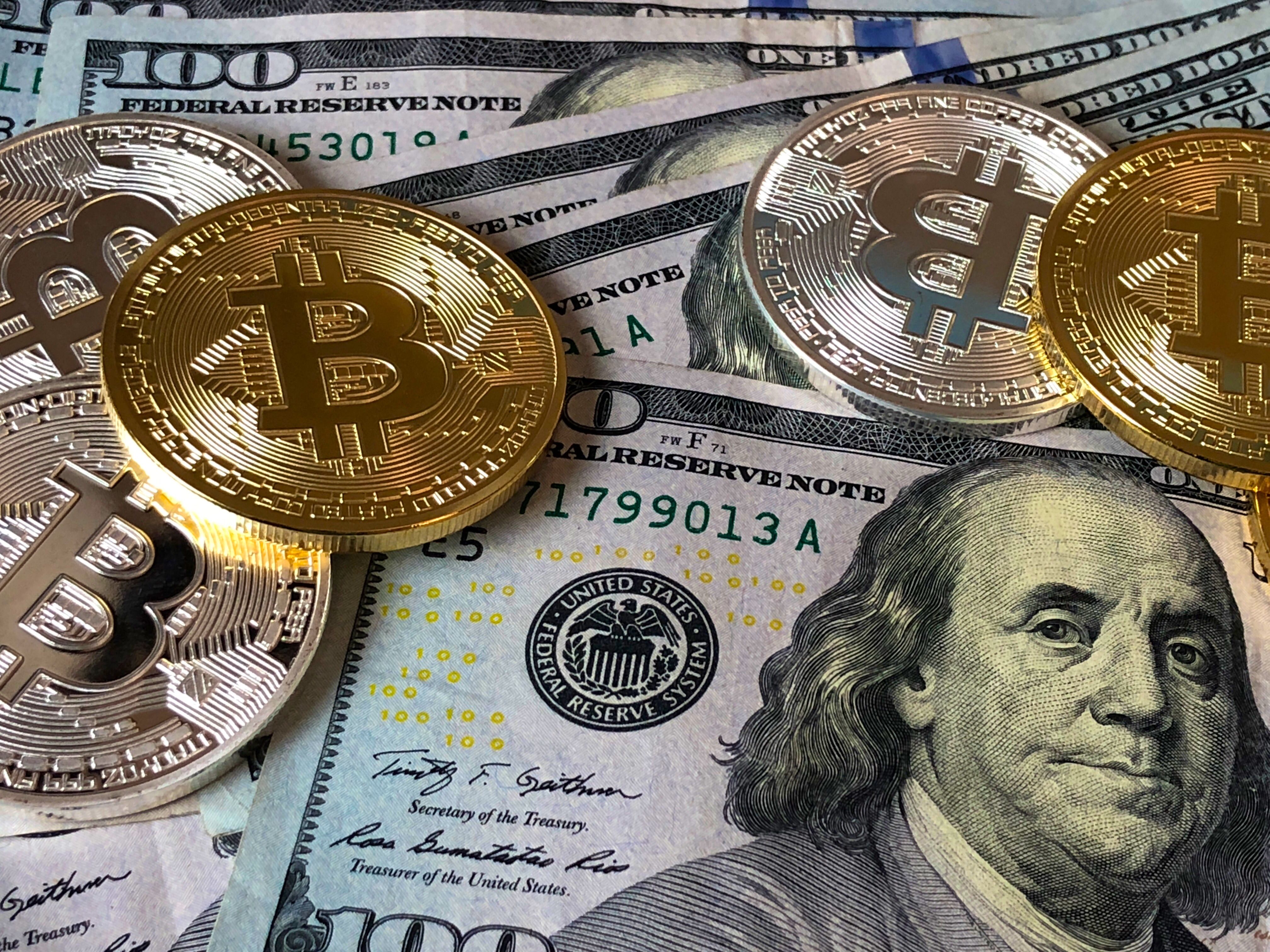
A token is a digital representation, not magic ownership
Tokenization can represent rights or interests in assets using blockchain-based tokens. The legal relationship between the token and the underlying asset still depends on contracts, issuers, custody, regulation, and jurisdiction.
Settlement can become programmable
Once an asset representation exists onchain, software can potentially automate transfers, compliance checks, distributions, collateral logic, or interactions with other financial applications.
The bridge to the real world remains the critical dependency
A blockchain can prove what happened to a token, but it cannot independently guarantee that an offchain property, security, fund, or commodity is correctly represented. Reliable issuers, custodians, oracles, and legal enforcement remain central.
FAQ
What is real-world asset tokenization?
RWA tokenization is the representation of rights or interests connected to an offchain asset through blockchain-based tokens.
Does owning a token always mean legally owning the underlying asset?
No. The legal rights depend on the token structure, contracts, issuer, custody arrangement, and applicable law.
Why put real-world assets on a blockchain?
Potential benefits include programmable settlement, automation, interoperability, fractional structures, and more transparent transaction records.